
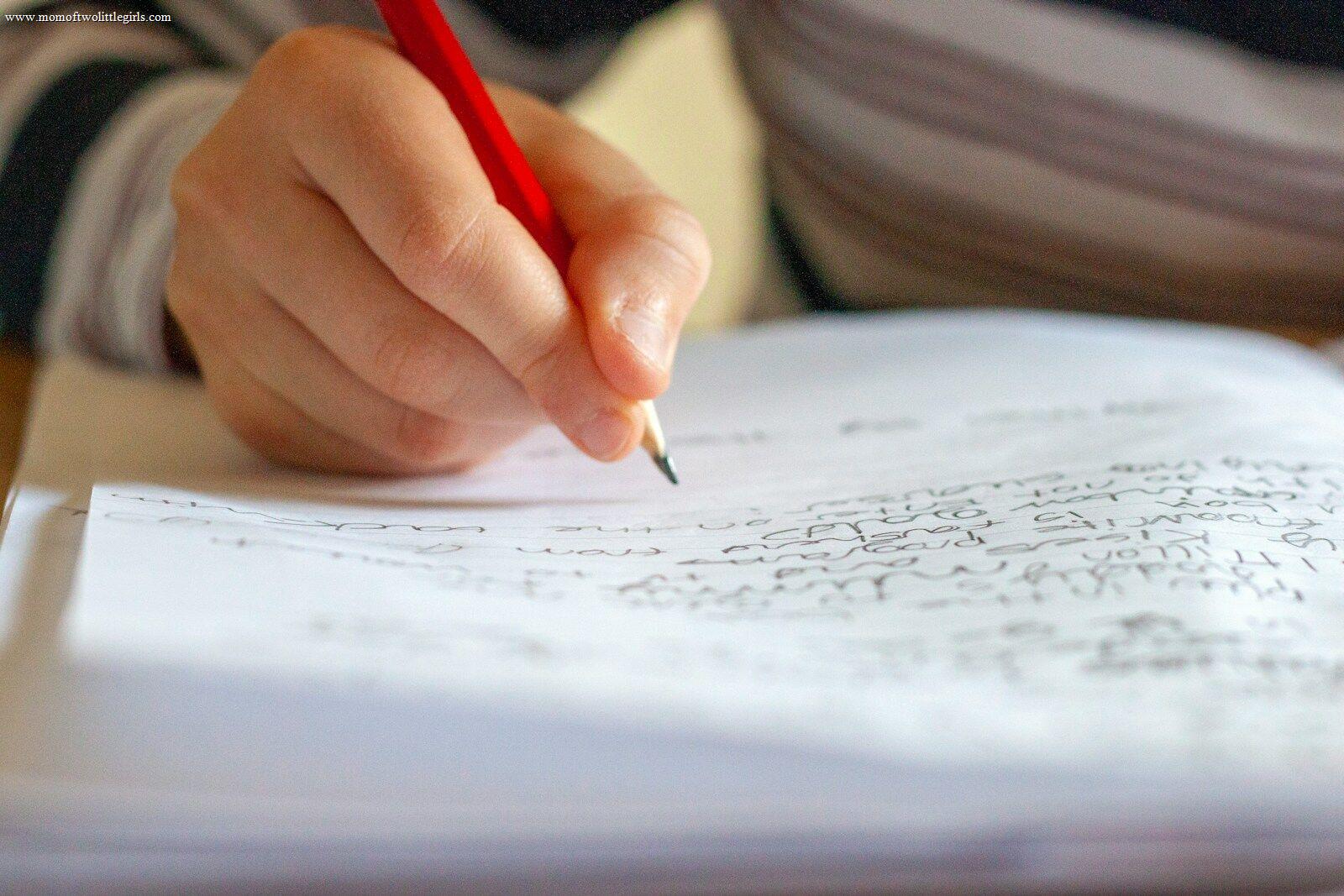
Ask anyone over forty about their school days and the memory of handwriting practice tends to surface quickly: the careful loops, the lined paper, the slightly stern teacher checking that every letter sat on the baseline. For a while, it looked as though all of that might vanish. Keyboards took over, touchscreens arrived, and children started typing before they could tie their shoelaces. So the question is a fair one. Has neat handwriting become a relic?
The short answer is no. The longer answer is far more interesting and has a lot to do with what writing by hand actually does in a child’s developing brain.
What the research keeps telling us
There is a growing body of work suggesting that forming letters by hand supports learning in ways typing simply does not. When a child draws out the shape of a letter, they engage motor memory, visual processing and the parts of the brain linked to reading. Studies comparing handwriting with typing have found that pupils who write by hand often recall information better and grasp new concepts more firmly.
It is not that keyboards are bad. They are genuinely useful, and no sensible parent wants their child shut off from technology. The point is subtler. The physical act of writing seems to slow thinking down in a productive way. A child has to decide what matters, summarise it, and commit it to paper. That small friction turns out to be good for comprehension.
Why teachers have not given up on it
Walk into a well-run classroom and you will still find handwriting treated as a skill worth practising, not a quaint tradition. Teachers tend to notice something that research later confirms: children who write fluently by hand free up mental energy for ideas. If a pupil has to concentrate hard on forming each letter, there is less capacity left for the actual content of their work. Confident, automatic handwriting lets the thinking flow.
This is one reason settings such as a preparatory school that values both handwriting and modern skills continue to make time for it alongside everything else on a busy timetable. The aim is not nostalgia. It is giving children a steady foundation they can build on, whether they go on to type an essay, sketch a diagram, or jot a quick note in the margin of a book.
Handwriting and confidence go together
There is also something personal about handwriting that often gets overlooked. A child’s writing is theirs. It carries a little of their character, and seeing it improve brings a real sense of pride. For many children, especially those who find other tasks harder, mastering clear handwriting becomes an early win. That confidence tends to spread into other areas of their learning.
Parents can play a part at home without turning it into a chore. Shopping lists, thank-you notes, birthday cards and holiday postcards all offer low-pressure practice. The trick is to make writing feel purposeful rather than like extra homework. A child who writes a letter to a grandparent is practising a skill and keeping a relationship warm at the same time.
So, a lost art?
Not quite. Handwriting has simply found a new place. It sits alongside typing rather than competing with it, and the evidence suggests both deserve a spot in a child’s education. The future almost certainly belongs to children who can do both well: type quickly when speed matters, and write clearly when thinking matters most.
Neat handwriting, it turns out, was never really going anywhere. It was just waiting for us to remember why it mattered in the first place.
—
*This article was contributed by the team at Buckingham Preparatory School, an independent prep school dedicated to helping children build strong foundations in literacy, numeracy and character. Buckingham Preparatory School combines traditional skills with modern learning to prepare pupils for the next stage of their education. To find out more, visit https://buckprep.org.*





Leave A Comment