

Ask most parents what their child did outdoors at school and the answer is often a shrug and a muddy pair of wellies. The muddiness is easy to see. The learning is harder to spot, which leaves plenty of us quietly wondering whether forest sessions are genuine education or just a pleasant way to burn off energy before lunch.
It’s a fair question. When screens compete for attention and the school day feels packed, it can seem like time in the woods is time away from “real” work. But that assumption gets forest learning the wrong way round.
The worry: is this just playing outside?
The short answer is no, though the confusion is understandable. Forest learning rarely looks like a lesson. There’s no whiteboard, no worksheet, no neat row of desks. A child balancing on a fallen log or sorting leaves into piles isn’t obviously “doing maths” or “working on resilience”.
Yet that’s exactly what’s happening. Balancing builds the core strength and coordination children need to sit still and write later. Sorting leaves is early classification, the same skill that underpins science. The gap isn’t in the value of the activity. It’s in how visible that value is to the adults watching from the edge.
What’s actually going on among the trees
Once you know what to look for, the learning becomes obvious.
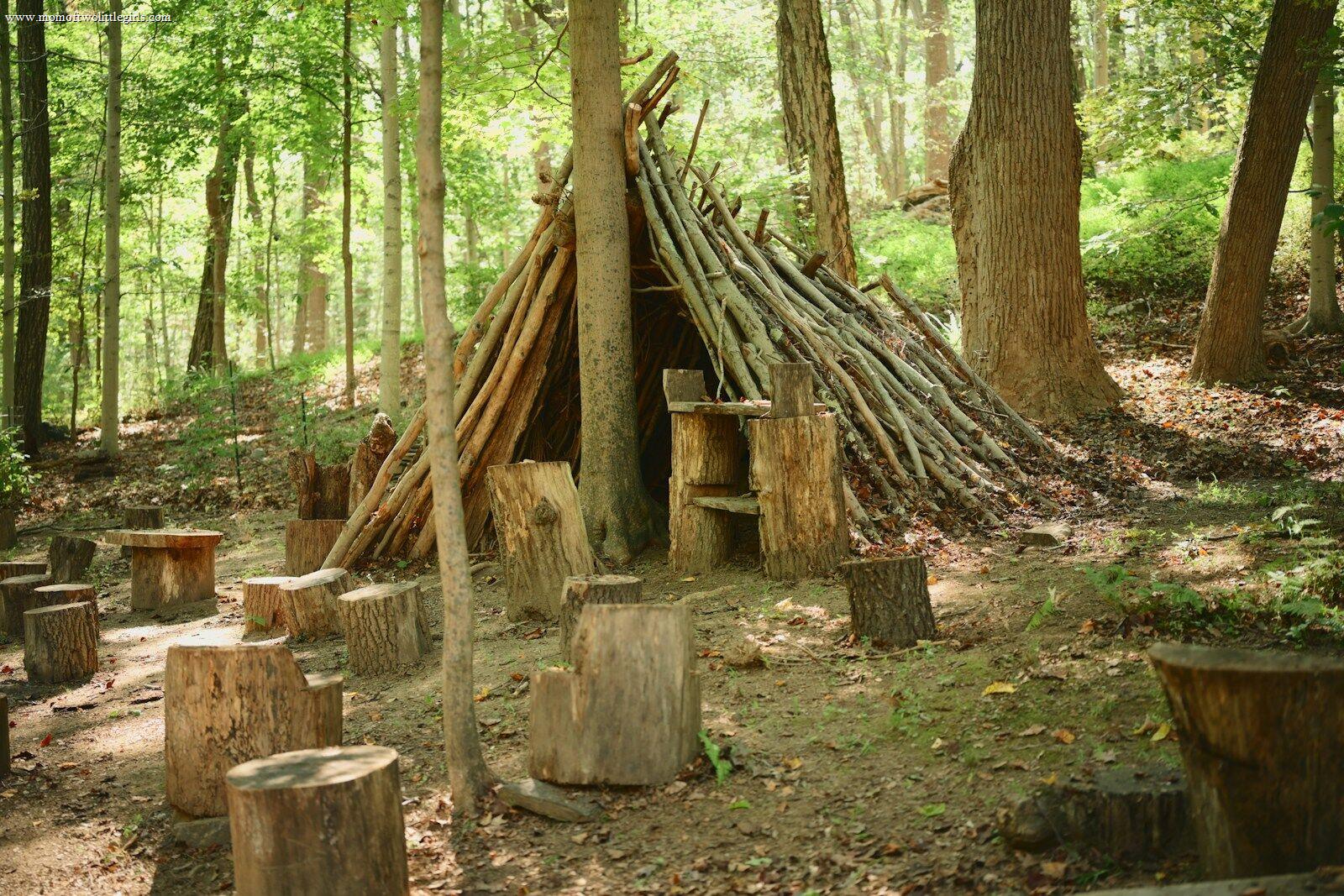
Problem-solving. Building a den or crossing a stream means testing ideas, failing, and trying again. Children learn that first attempts don’t always work, and that persistence pays off. That mindset transfers straight back into the classroom.
Language and collaboration. Outdoor learning tasks are rarely solo efforts. Children negotiate, explain and listen. A group deciding where to build a shelter is practising the kind of discussion that formal speaking-and-listening lessons aim for, only with far more enthusiasm.
Focus and calm. Time in nature is a genuine reset for busy minds. Children who struggle to concentrate indoors often settle outside, where the pace is slower and the pressure lower. Many return to desk-based work noticeably steadier.
Confidence that lasts. Managing a small, real risk, using a tool or lighting a fire under supervision, gives children a sense of capability that no printed certificate can match.
Bringing it home
The good news is that none of this requires acres of woodland. A local park, a scruffy corner of the garden or a weekend walk all count. Let children lead: follow their curiosity about a snail or a puddle rather than steering them towards a tidy outcome. Resist the urge to tidy up the “mess”, because the mess is often where the thinking happens.
If you want to understand how schools weave this into a broader education, it helps to look at settings that treat the outdoors as part of the curriculum rather than a treat. a school that values outdoor learning alongside strong academics shows how the two support each other rather than compete. At Gosfield School, forest sessions sit comfortably next to classroom work, each strengthening the other.
The real takeaway
The challenge for parents was never whether forest time matters. It’s learning to trust that development doesn’t always come with a visible result. The muddy knees and the problem-solving, the fresh air and the focus, these aren’t separate things. They’re the same thing, seen from different angles.
So the next time your child comes home soaked and grinning, you can stop wondering whether anything was learned. Plenty was. It just doesn’t fit neatly on a worksheet.
You can read more about this approach at https://gosfieldschool.org.uk.
—
*This article was contributed by the team at Gosfield School, an independent co-educational day and boarding school in Essex for pupils aged 4–16. Gosfield School combines strong academic standards with a genuine commitment to outdoor and experiential learning, helping every child grow in confidence both inside and outside the classroom.*





Leave A Comment